History of Cinema
From early silent films to contemporary digital cinema
Birth of Cinema
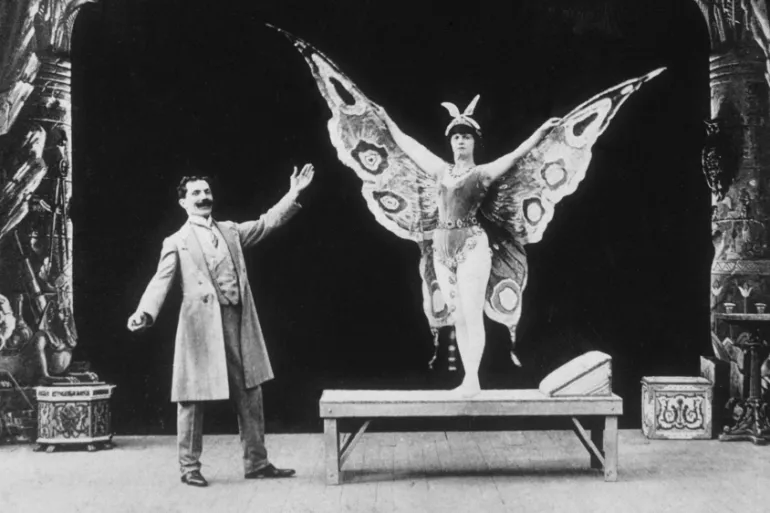
Cinema began in the 1890s with inventors like the Lumière Brothers and Thomas Edison experimenting with moving images. Early silent films, from Georges Méliès' fantastical narratives to D.W. Griffith's epic storytelling, established cinema's language. Charlie Chaplin and Buster Keaton perfected silent comedy, proving cinema's power to move audiences without words.
Golden Age & International Movements
The addition of sound in the late 1920s transformed cinema. Hollywood's Golden Age (1930s-1960s) established genres and star systems. Meanwhile, international movements emerged: German Expressionism, Soviet Montage, Italian Neorealism, and French New Wave each revolutionized filmmaking with distinct aesthetic and narrative approaches.
New Hollywood & Auteurs
The 1970s New Hollywood movement brought director-driven cinema to the mainstream. Filmmakers like Scorsese, Coppola, and Kubrick crafted personal visions with studio support. International auteurs like Bergman, Kurosawa, Fellini, and Tarkovsky elevated cinema to high art, exploring existential themes with innovative techniques.
Digital Revolution
Digital technology transformed every aspect of filmmaking: production, distribution, and exhibition. CGI expanded visual possibilities, while digital cameras democratized access to filmmaking tools. Streaming platforms disrupted traditional distribution, and contemporary cinema embraces diverse voices, global perspectives, and hybrid forms between cinema, television, and interactive media.