History of Photography
From camera obscura to digital revolution
Early Experiments
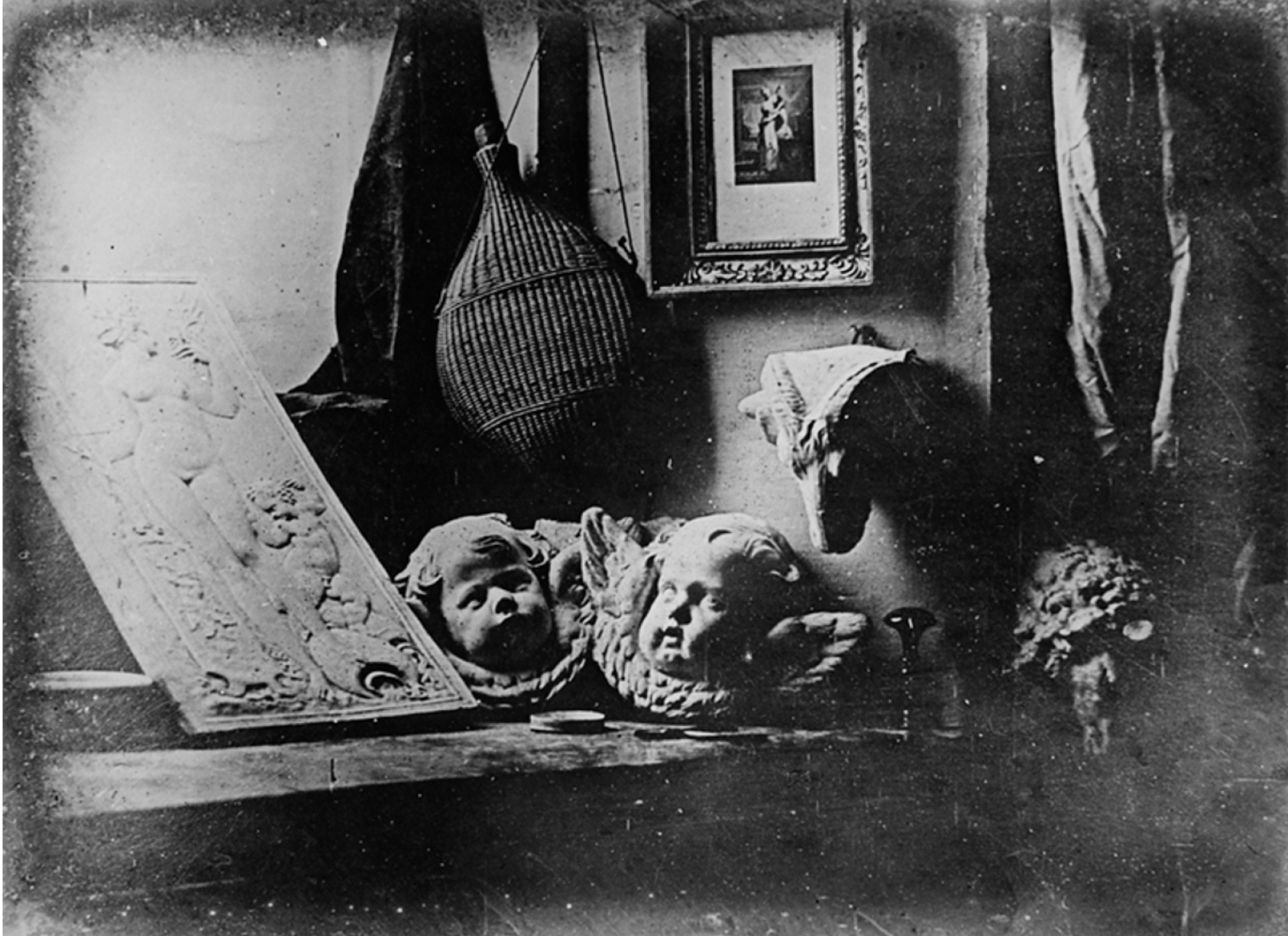
Photography's origins trace to the camera obscura and early experiments with light-sensitive materials. In 1826, Nicéphore Niépce created the first permanent photograph. Louis Daguerre's daguerreotype process (1839) made photography practical, while William Henry Fox Talbot developed the negative-positive process that became photography's foundation.
Documentary & Artistic Photography
Photography quickly became a powerful documentary tool, capturing history, social conditions, and personal moments. Simultaneously, photographers like Alfred Stieglitz and Edward Weston elevated photography to fine art. The medium's dual nature—as both documentary evidence and artistic expression—continues to define its practice.
Color & Modern Photography
Color photography emerged in the early 20th century but became widely accessible in the 1960s-70s. Photographers like William Eggleston legitimized color as an artistic medium. The latter half of the 20th century saw photography embrace conceptual art, street photography, fashion, and photojournalism as distinct genres.
Digital Revolution
Digital photography fundamentally transformed the medium. The accessibility of digital cameras and smartphones democratized photography, while digital manipulation tools expanded creative possibilities. Today, billions of photos are taken daily, and photography pervades every aspect of visual culture, from social media to contemporary art.